Why Hands-On Learning Matters in Early Childhood Education

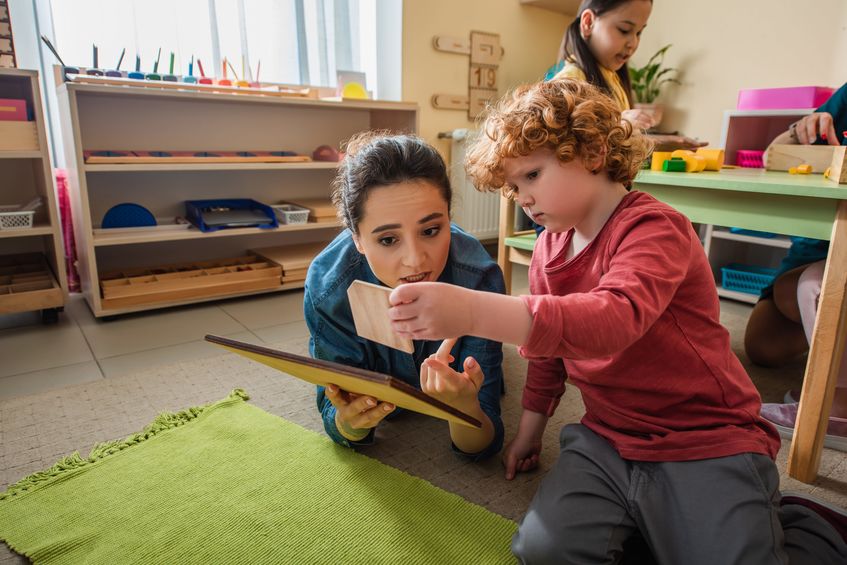
Teacher and boy playing with wooden boards on floor in school

Young children learn best when they can actively explore the world around them. That is one of the biggest reasons hands-on learning is so important in early childhood education. Instead of only listening to instructions or watching someone else demonstrate a concept, children learn by touching, building, sorting, moving, creating, and experimenting for themselves. These… Read more »

The Hidden Benefits of After-School Care You Might Not Expect

Front view of a diverse group of eight schoolchildren gathered around desks using a laptop computer together in an elementary school classroom, talking and laughing together

After a busy school day, many parents assume that after-school care is simply a place where kids wait until pick-up time. But high-quality school‑age programs offer so much more than supervision; they provide a relaxed, engaging space where children can unwind, connect with friends, and explore their interests in a fun, low-pressure environment. A Chance… Read more »

Why Pre-K Is the Key to a Smooth Kindergarten Transition

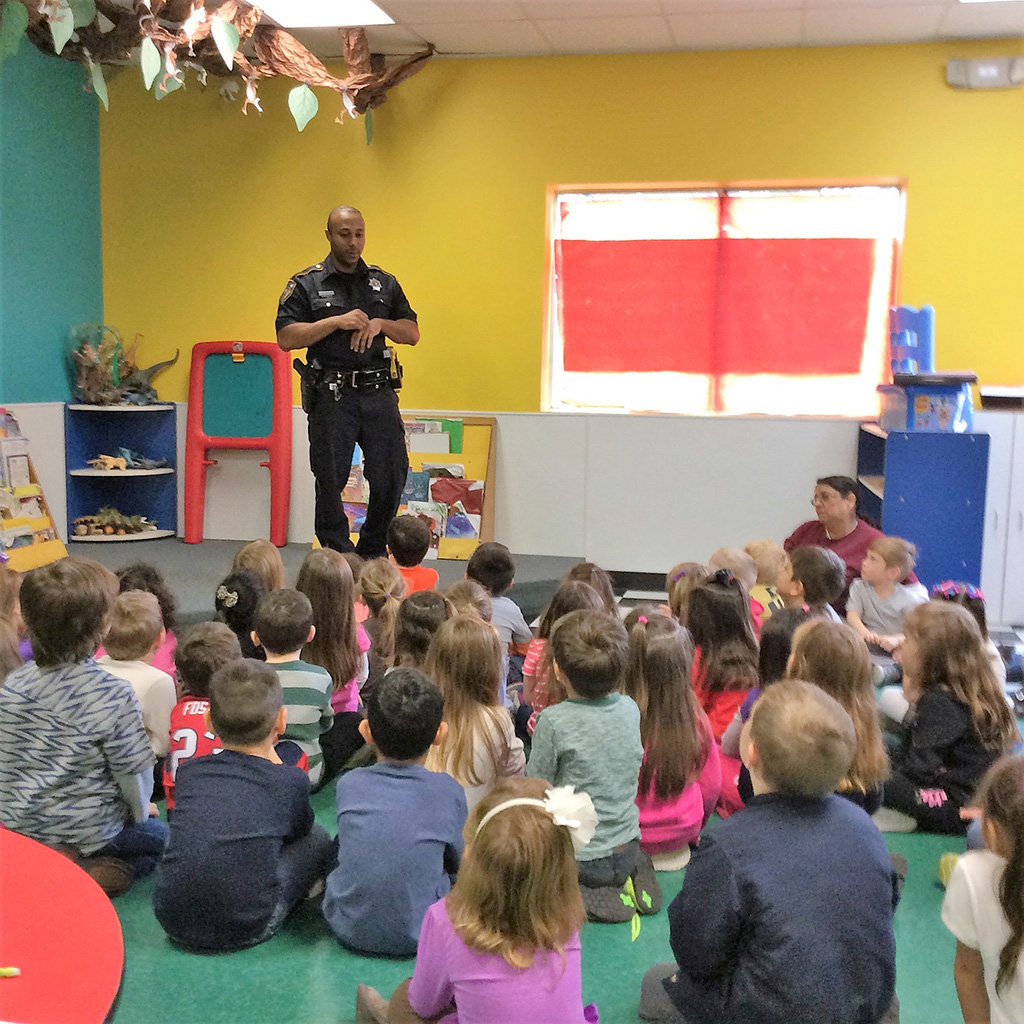
Pre-K Class in Pasadena TX

Starting kindergarten is a big step, not just for kids but for parents, too. It marks the beginning of a new chapter filled with structure, expectations, and a more academic environment. That’s why many families turn to Pre-K as a way to help ease this transition and with good reason. A well-rounded Pre-K program builds… Read more »

Returning to Work After Maternity Leave? Here’s How Infant Care Can Help

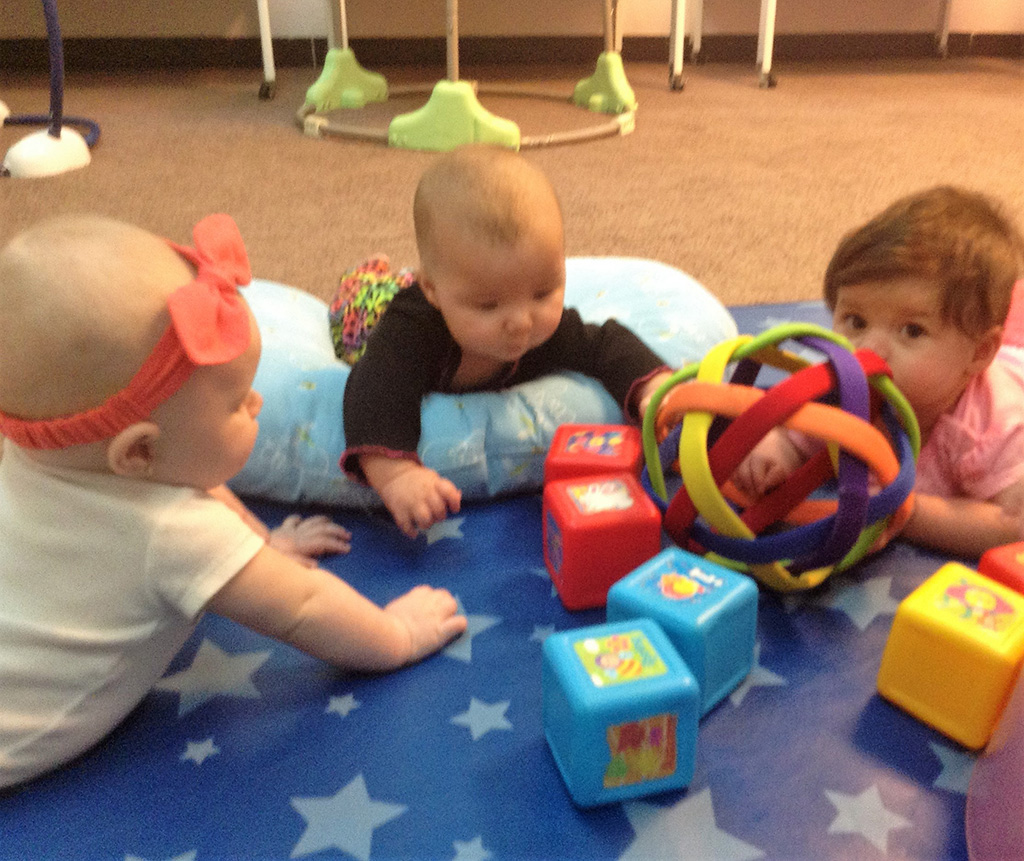
Infants at Day Care in Pasadena

Heading back to work after maternity leave can feel overwhelming. You’ve just spent weeks bonding with your baby and adjusting to a new routine, and now it’s time to return to the demands of a job while still trying to be the best parent you can be. It’s a lot, and feeling anxious about the… Read more »

Top Developmental Milestones for Toddlers Ages 18–36 Months

toddler boy is playing educational logic games. Children's wooden toys. Sorter.

The toddler stage—somewhere between baby babble and full-blown conversations, wobbly steps, and climbing everything in sight—is a time of incredible growth. Between 18 and 36 months, children experience major shifts in how they think, move, and communicate. These milestones aren’t just exciting to witness—they lay the foundation for lifelong learning. Let’s take a look at… Read more »

Why Preschool Matters: Long-Term Benefits of Early Childhood Education

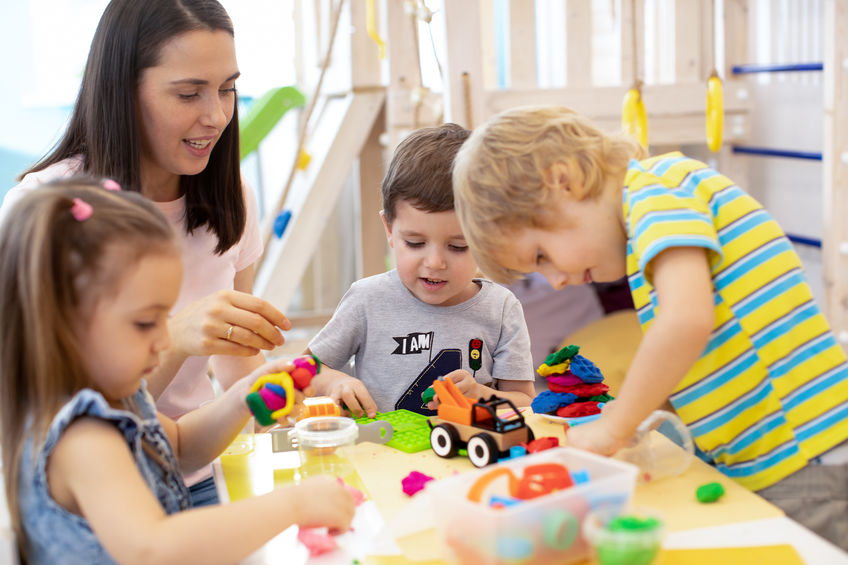
preschool teacher playing with children in day care center

Deciding whether preschool is the right step for your child can feel overwhelming. Many parents naturally wonder if early education truly offers lasting advantages or if children might benefit more from extended home-based care. The good news is that extensive research consistently points to significant, measurable benefits for children who attend quality preschool programs. From… Read more »

How to Let Your Child Decide Interests on Their Own

daughter and mother playing together

We’ve all seen that parent–the one who makes sure their child is in the school orchestra, the student counsel, and captain of the tennis club all while looking over the kid’s shoulder. We all want to raise our children to be the best they can be. But how do we do this without being controlling… Read more »

What Is Phonics?

a group of young students learning phonics from a teacher

If you’re the parent or caregiver of a young child just learning to read, then you may have heard their teachers talk about “phonics.” But what, exactly, is phonics? And how can it help your child to read and write? Phonics—defined Phonics, at its core, is the relationship between letters and sounds. You’re using phonics… Read more »

ADHD Symptoms in Girls vs. Boys

young girl bored at school

Attention deficit hyperactivity disorder (ADHD) is one of the most commonly diagnoses neurodevelopmental disorders in children. 6.1 million children in the United States are diagnosed with ADHD. However, the diagnosis rate for boys (12.9%) is higher than that for girls (5.6%) What’s the reason for this discrepancy? It is not because boys have a higher… Read more »